

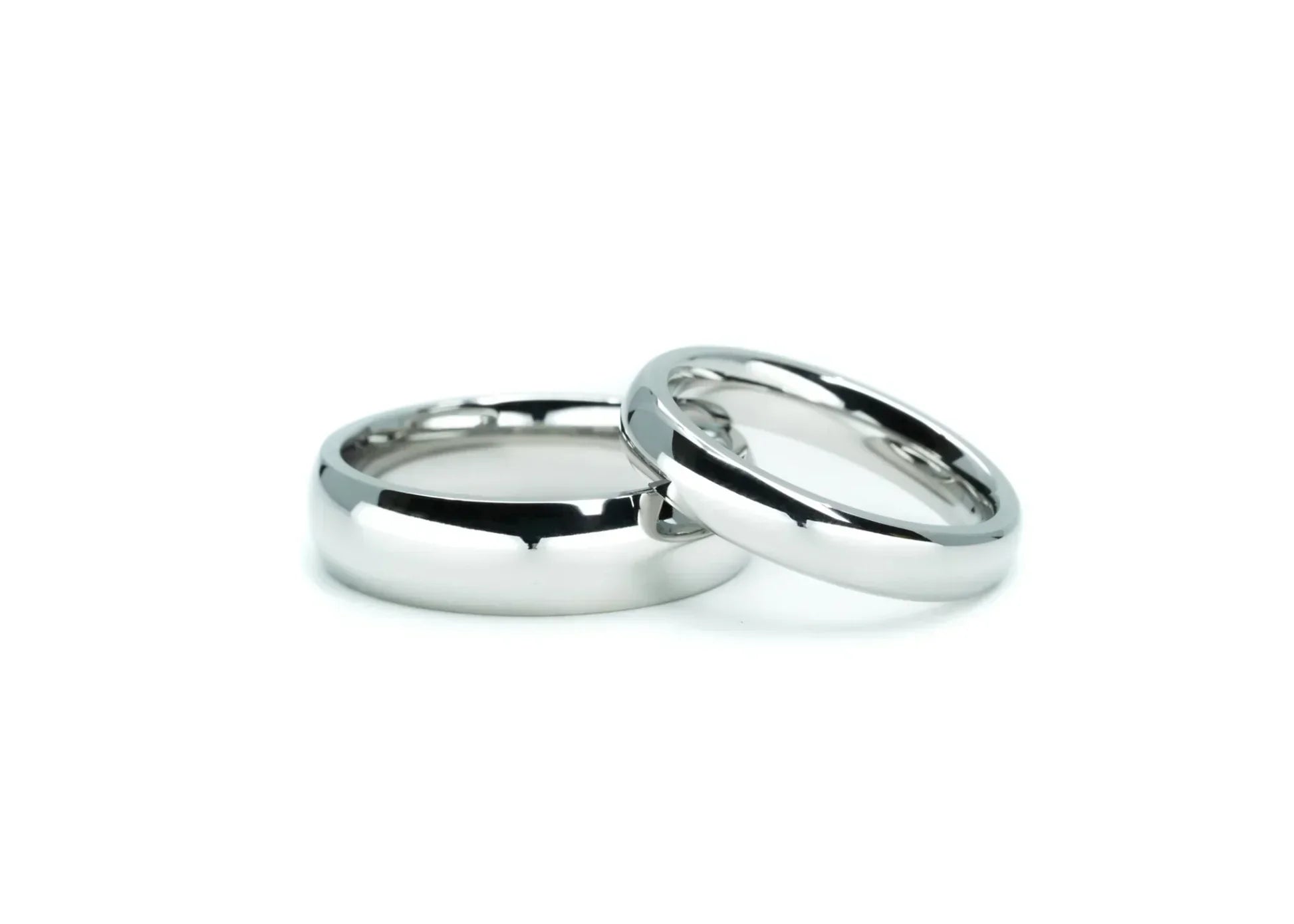
18k Gold vs. Platinum: The Foundation of Your Forever Piece
Last updated July 2026
Choosing your centre stone is only half the journey. The metal you select for band and setting provides the actual stage your diamond performs on. At our Wembley showroom, 2026 has brought a genuine resurgence in yellow gold, though platinum remains the benchmark for security. Here's how to navigate both the aesthetics and the real, current price shifts.
1. The 2026 Trend: Yellow Gold's Genuine Return
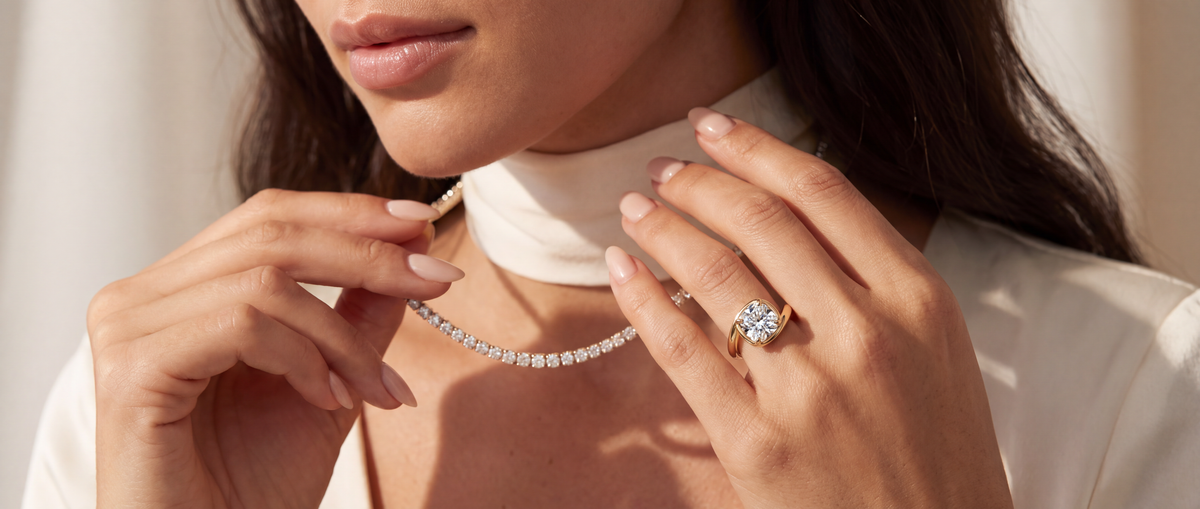
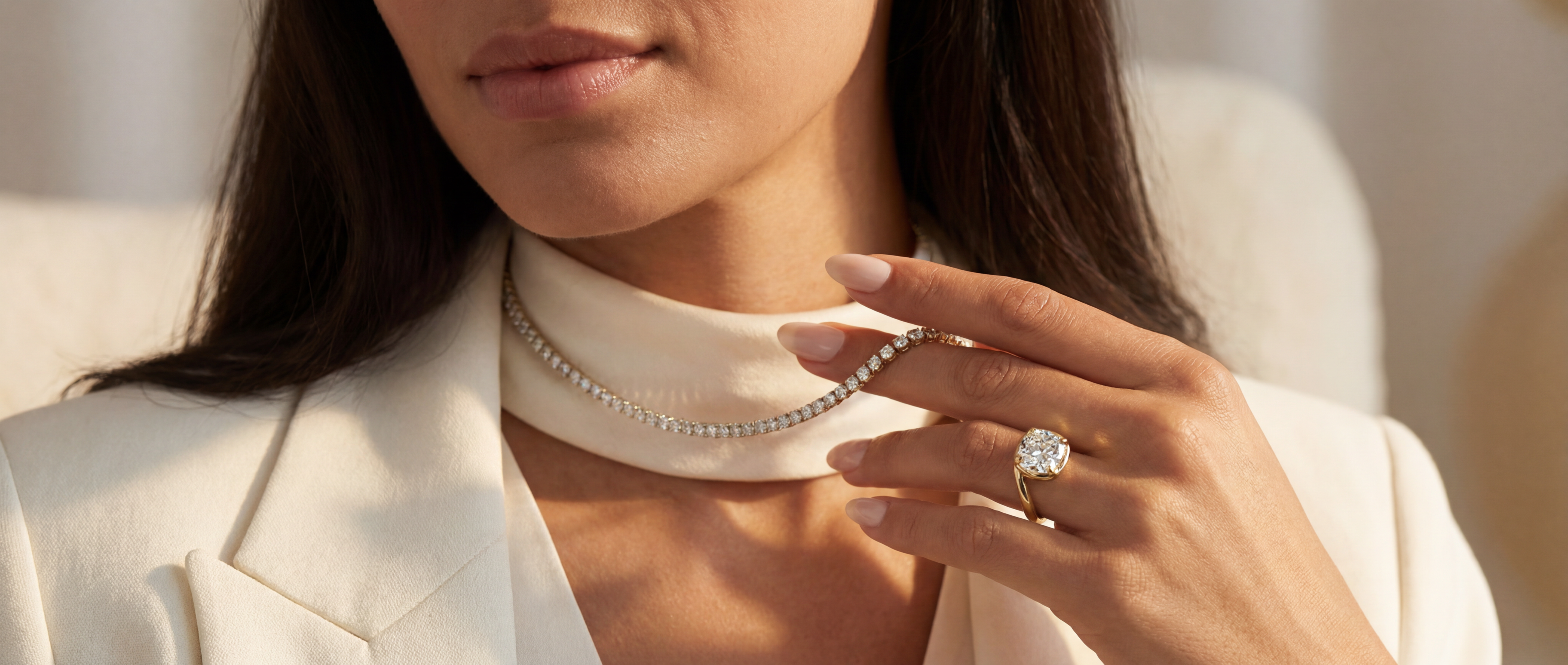
18K yellow gold has overtaken white gold as the most popular choice we're seeing this year.
The look: a warm, "old money" aesthetic that creates striking contrast against the crisp white brilliance of a lab-grown diamond.
The advantage: unlike white gold, 18K yellow gold needs no rhodium plating. It ages genuinely well, holding its warm hue for decades without maintenance, and pairs particularly well with the chunkier cigar-style bands currently trending.
2. Platinum: The Low-Maintenance Powerhouse
Gold prices have genuinely surged to historic highs through 2026, and platinum has become a surprisingly competitive option as a result, this isn't a marketing line, it reflects a real, current reversal in the relative pricing of the two metals.
Durability: platinum is considerably denser and more durable than gold. It doesn't wear away over time so much as shift, developing a soft patina many vintage jewellery lovers genuinely prefer to a constantly re-polished shine.
Security: being less brittle than gold, platinum prongs are the safer choice for securing a larger centre stone long-term.
Hypoallergenic: at roughly 95% pure, it's the strongest option for sensitive skin.
3. The White Gold Factor
18K white gold remains a genuine classic for its bright, silvery finish. Worth remembering: it's an alloy of yellow gold, and needs rhodium replating roughly every one to two years to maintain that cool white tone. If you want a white metal that stays white without ongoing upkeep, platinum is often the smarter long-term choice given current pricing.
Comparing the Two
| 18K Gold (Yellow/White/Rose) | Platinum | |
|---|---|---|
| Composition | 75% pure gold plus alloy | Roughly 95% pure platinum |
| Maintenance | Low (yellow) / higher (white, due to replating) | Low, occasional polish only |
| Weight | Lighter, more traditional feel | Dense, substantial, noticeably heavier |
| Best for | Vintage-inspired and bespoke design | Maximum stone security |
Our Recommendation
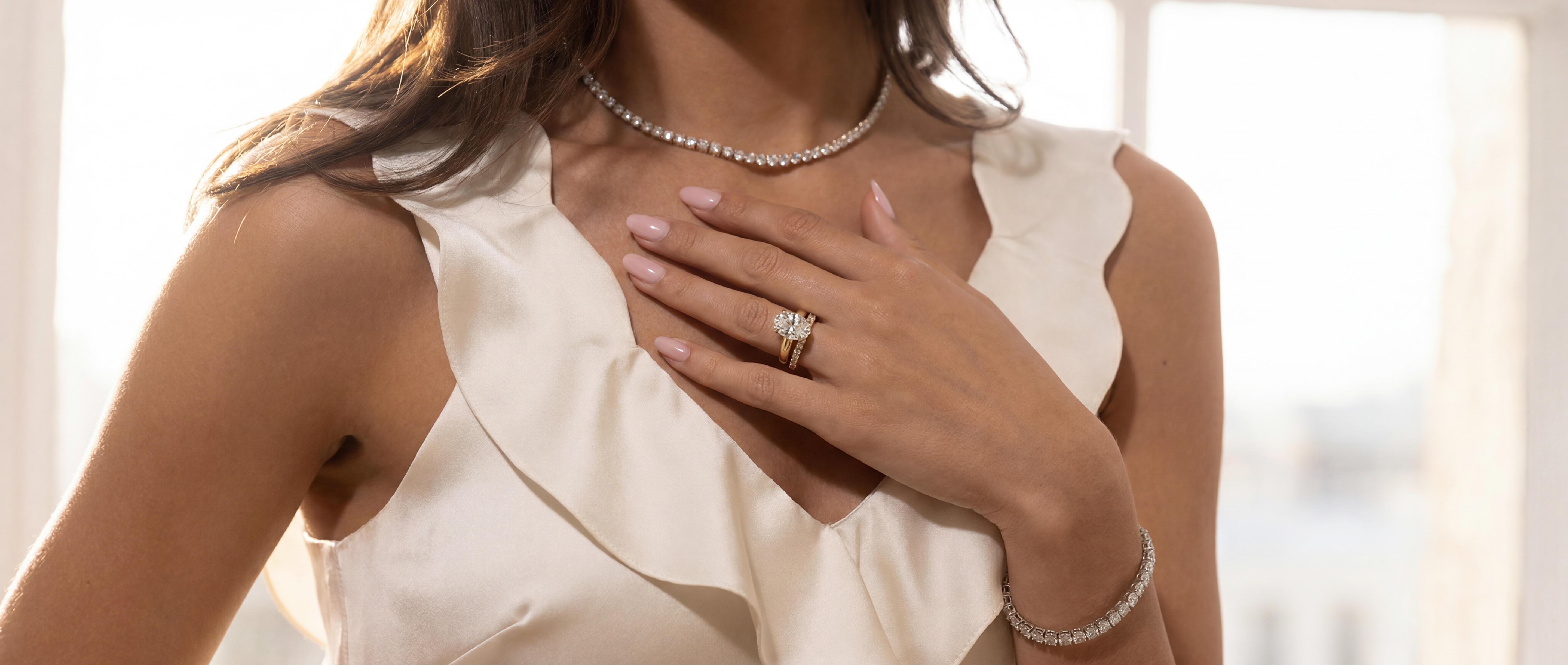
For designs with intricate detail or pavé stones, we often recommend an 18K gold band paired with a platinum setting for the centre stone itself, genuine colour and warmth where you want it, with platinum's security exactly where the stone needs it most.
Find Your Match
The real weight difference and colour contrast are best felt in person. We invite you to explore our ready-to-ship engagement rings, or book an appointment to try both metals directly at our Wembley showroom.
Ready to pair your metal with the right wedding band? Book a consultation, or view our wedding ring collection to complete the set.
Share:
Beginner's Guide to Choosing Wedding Rings