

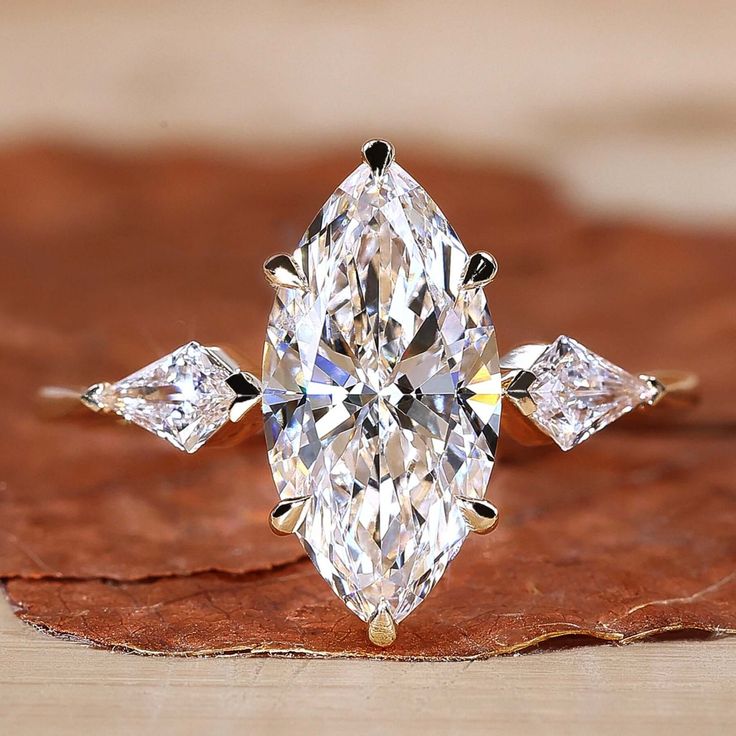
CVD vs. HPHT: The Science of Creating a Masterpiece
Understanding a diamond's origin genuinely adds to its story. As a gemologist, I'm often asked about the science behind the process: how does carbon become the hardest, most brilliant substance on Earth?
Two primary methods grow lab diamonds today: HPHT (High Pressure High Temperature) and CVD (Chemical Vapour Deposition). Both produce a genuine diamond, but the internal character of the crystal can differ in ways worth understanding.
1. HPHT: Mimicking the Earth's Core
HPHT is the closest replica of how diamonds form in nature. A small diamond seed is placed into carbon and subjected to extreme pressure and heat, typically somewhere between 1,300°C and 1,600°C.
HPHT diamonds often show an advantage in clarity, they tend to have fewer inclusions overall than CVD stones straight out of growth. One distinguishing feature specific to this method: HPHT stones can occasionally contain tiny metallic flux inclusions, remnants of the metal catalyst used during growth, generally invisible without magnification and sometimes detectable through magnetism, a useful identification tool for gemologists.
2. CVD: Precision Engineering
CVD is the newer, highly controlled process. A diamond seed sits in a vacuum chamber filled with carbon-rich gas, and a plasma beam breaks the gas down so carbon atoms settle onto the seed layer by layer.
CVD allows for genuinely remarkable precision, and offers more flexibility for larger stones and certain elongated shapes, since it grows in flatter plate-like forms well suited to marquise or emerald-cut proportions. CVD stones sometimes need post-growth treatment to correct a brownish tint that can develop during growth, a standard, fully disclosed part of the process.
Is There an Actual Visual Difference?
Here's the part worth being precise about: to the naked eye, and even under most standard jeweller's inspection, there is genuinely no noticeable visual difference between a well-cut HPHT and CVD diamond of the same grade. Both show identical brilliance, fire, and scintillation, the differences between the two methods are internal, growth patterns, inclusion type, and trace elements, and require specialised gemological equipment to distinguish, not something visible by eye in a finished, polished stone.
Which One Should You Choose?
A high-quality D colour stone will look spectacular regardless of which method grew it. What actually matters is the individual stone's cut, clarity, and light return, not the growth method as a label. As a specialist, I hand-select stones based on genuine fire and light performance, the specific quality that keeps a diamond looking lively rather than "sleepy" under different lighting, regardless of whether it came from an HPHT press or a CVD chamber.
Expert Curation at VYOR Diamond Lab
We don't source just any lab-grown diamond, we source the right one. Whether you're browsing our ready-to-ship engagement rings or sourcing a loose stone for a custom design, every stone is vetted for genuine technical and visual quality before it's offered.
Start Your Journey
Curious to see the difference in person, under a loupe, at our Wembley showroom? Book your appointment here, and let's find a diamond that's a genuine masterpiece of both nature and science, whichever growth method shaped it.

Share:
The Truth About Resale Value: Is Your Diamond an Investment?
Can a Jeweller Tell the Difference? The Truth About Detection